
Quick heads-up: This post contains affiliate links. If you click one and make a purchase, I may receive a small commission at no extra cost to you. I only recommend the 2026 trends and products I truly believe in to help you get your best skin yet!
If you feel like you just finally mastered the “Clean Girl” aesthetic only for the internet to move the goalposts—you aren’t alone. As we head into 2026, the skincare world is shifting away from basic hydration and moving toward what experts are calling “Metabolic Beauty.” We’re talking about high-performance science that feels a little like bio-hacking for your face.
From the prickly (but effective!) magic of liquid microneedling to the regenerative power of Salmon DNA, the latest trends are all about results you can actually see. Whether you’re trying to fix “Ozempic face” volume loss or just want that ethereal, icy-blue digital glow, these are the three breakthroughs currently dominating Google and Pinterest. Let’s dive into what they are, how they work, and if they actually deserve a spot in your vanity.
1. The Rise of “Spicules”: Liquid Microneedling
If you’ve been anywhere near TikTok or Pinterest lately, you’ve probably seen people talking about “spicules” and “liquid needles.” I’ll be the first to admit: the first time I heard someone was putting “micro-needles from sea sponges” on their face, I had questions. Many questions.
But after seeing the 2026 glow results, I’m a total convert. Here’s the “no-gatekeeping” guide to what this stuff actually feels like and why your bathroom cabinet probably needs it.
So, what are Spicules, really?
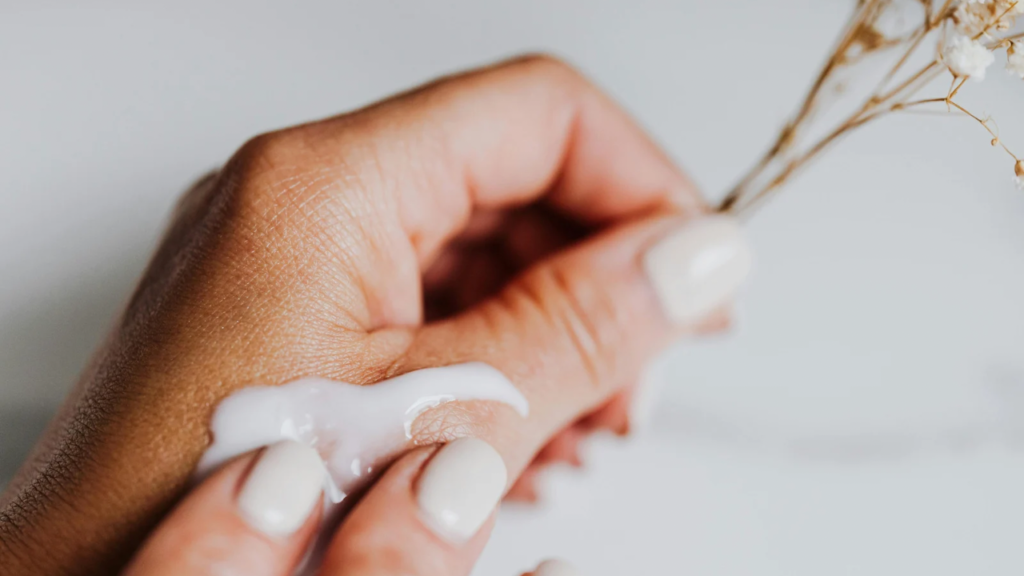
Think of spicules as nature’s tiny, invisible delivery drivers. They are microscopic, needle-like structures (don’t worry, you can’t actually see them!) derived from sea sponges. When you massage the serum into your skin, they create teeny-tiny “micro-channels.” This allows your expensive serums to actually sink in rather than just sitting on top of your face like a layer of expensive grease.
VT Cosmetics Reedle Shot 100
🚩 The Questions I Know You’re Asking
“Does it hurt?”
It doesn’t “hurt,” but it’s… weird. It feels like a prickly, “velcro” tingle. If you touch your face an hour later, you’ll feel a little zing. It’s significantly less intense than actual microneedling at a clinic, and honestly? The tingle kind of makes me feel like it’s working.
“Will it mess up my skin?”
Nope. These little guys are biocompatible, meaning your body knows what to do with them. They hang out for about 72 hours to do their job and then naturally shed off while you sleep. No downtime, no redness, just better texture.
“Is it okay for my sensitive skin?”
If you’re a “reactive” girlie, start slow. In 2026, brands are using “Shot” numbers (like 100, 300, or 700). Do not be a hero—start with the 100. It’s like training for a marathon; you don’t start at mile 20!
2. Solving “Metabolic Face”

Let’s get real for a second: our skin is going through a lot right now. Between the stress of daily life and the massive rise in GLP-1 medications (you’ve definitely heard of “Ozempic Face” by now), many of us are noticing our skin looking a bit… deflated. It’s that frustrating loss of volume where things just don’t “snap back” like they used to. In 2026, we’ve stopped calling it anti-aging and started calling it Skin Longevity.
The “secret sauce” everyone is obsessing over? PDRN (Salmon DNA) and Exosomes. I know, “Salmon DNA” sounds like something out of a sci-fi movie, but think of it as a tiny construction crew for your face. Instead of just sits on top of your skin like a heavy cream, these ingredients actually talk to your cells, telling them to wake up and start producing collagen again. If you’ve felt like your face looks a little tired or gaunt lately, this is the “bio-hacking” step your routine has been missing. It’s about getting that juicy, plump look back without needing a needle.
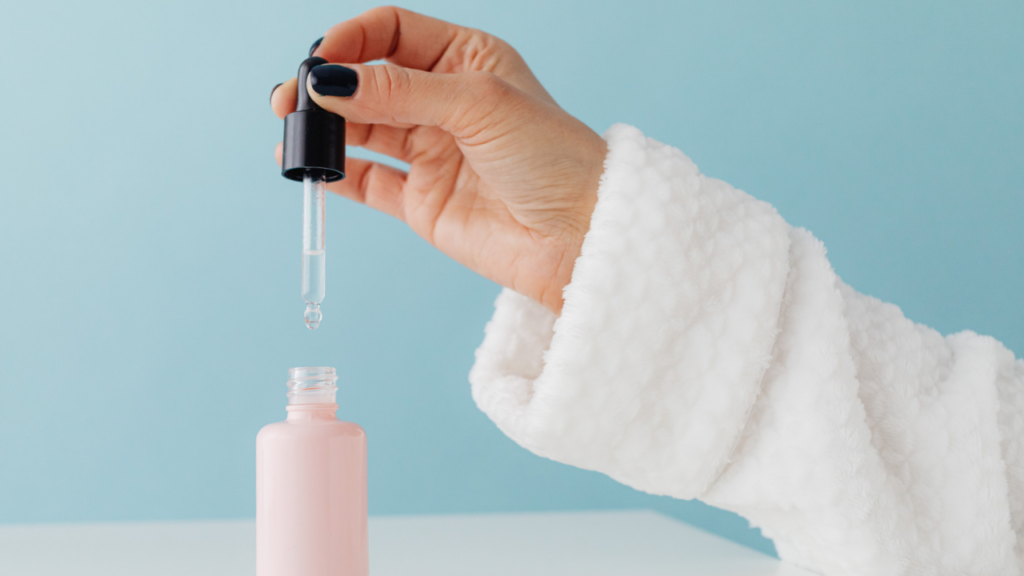
My Personal Favorite: Medicube PDRN Pink Peptide Serum— This is the one I reach for when my skin looks “flat.”
Pro Tip: Be patient! Cellular repair isn’t an overnight miracle, but after about 4 weeks, you’ll start seeing that “lit-from-within” firmness.
3. “Cool Blue” & The Y2K Frost Revival

If you told me two years ago that I’d be putting blue primer on my face, I would’ve laughed. But here we are! Pinterest is currently flooded with the “Cool Blue” revival, and honestly? I’m obsessed. It’s a total 180 from the heavy, orange-toned bronzers that dominated our vanities for years. We’re moving into “Digital Luminosity”—skin that looks so clear and bright it almost looks filtered.
The 2026 version of Y2K frost isn’t that chalky, glittery mess we wore in middle school. It’s much more sophisticated. By using a soft lavender or icy blue base, you’re actually using color theory to cancel out those sallow, “gray” undertones we get when we’re tired. It leaves you with a crystalline, ethereal glow that looks incredible in photos. It’s less about looking “cold” and more about looking expensive and well-rested.
The Cheat Code: DearKlairs Blue Activating Drops
It uses EGF and bFGF (peptides) to help with skin elasticity and volume. The natural blue color helps soothe redness while providing a plump, hydrated base.
How I Use It: I mix a tiny drop of an icy highlighter into my moisturizer. It gives that “glass skin” effect but with a modern, high-tech twist.
The Bottom Line: Beauty in 2026 is High-Tech and High-Performance

If there’s one thing to take away from the trends we’re seeing right now, it’s that we are officially moving past the “Clean Girl” basics. Whether you’re brave enough to try the prickly magic of Spicules, diving into the regenerative world of Salmon DNA (PDRN) to bring back that facial volume, or just playing around with icy blue tones for that digital glow, the goal is the same: skin that looks as healthy as it feels.
Skincare isn’t just about “fixing” things anymore; it’s about bio-hacking your way to better skin longevity. Don’t be afraid to experiment with these new textures and ingredients—even if they sound a little “sci-fi” at first. Your future skin will definitely thank you.