
This post may contain affiliate links, including Amazon links. As an Amazon Associate, I earn from qualifying purchases at no extra cost to you.
If your skin feels tight, looks red, or reacts to every product you apply, your skin barrier is likely compromised. While many “miracle” creams sit on the surface, certain plant-derived oils penetrate the lipid layer to seal in moisture and keep irritants out.
Based on dermatological research and real-world results, here are the 5 oils your barrier needs right now to transition from irritated to glowing.
Quick Comparison: Which Oil is Right for You?
| Oil Type | Best For | Key Benefit | Find it on Amazon |
|---|---|---|---|
| Jojoba Oil | Oily & Acne-Prone | Sebum Balancing | Handcraft Blends Organic Jojoba Oil |
| Rosehip Oil | Dullness & Scarring | Vitamin A & C | Pure D'or Organic Rosehip Oil |
| Squalane | Ultra-Sensitive Skin | Pure Hydration | Good Molecules Squalane Oil |
| Marula Oil | Dry & Mature Skin | Antioxidant Rich | The Ordinary 100% Marula Oil |
| Sunflower Oil | Eczema & Redness | Barrier Repair | Pura D'Or Organic Sunflower Oil |
1. Jojoba Oil: The “Skin Mimic”
Jojoba oil is technically a liquid wax ester, making it chemically similar to human sebum. This allows it to “trick” your skin into thinking it has produced enough oil, preventing breakouts while repairing the barrier.
The Science: It penetrates deep into the follicular opening without clogging pores.
Best For: Those who are “afraid” of oils or have oily/combination skin.
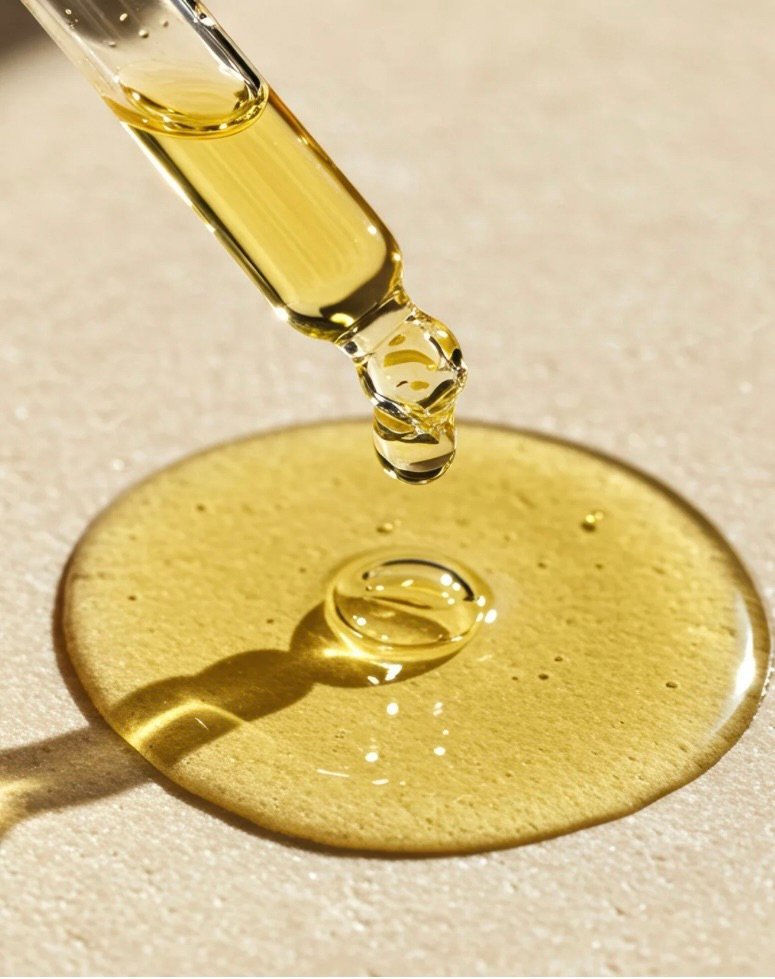
2. Rosehip Seed Oil: The Multi-Tasker
Rich in Linoleic acid and Vitamin A (a natural, gentle retinol-like effect), Rosehip oil is a powerhouse for those dealing with a damaged barrier and post-inflammatory hyperpigmentation.
The Science: Research shows that acne-prone skin is often deficient in Linoleic acid. Rosehip restores this balance.
Best For: Brightening dark spots and smoothing texture.
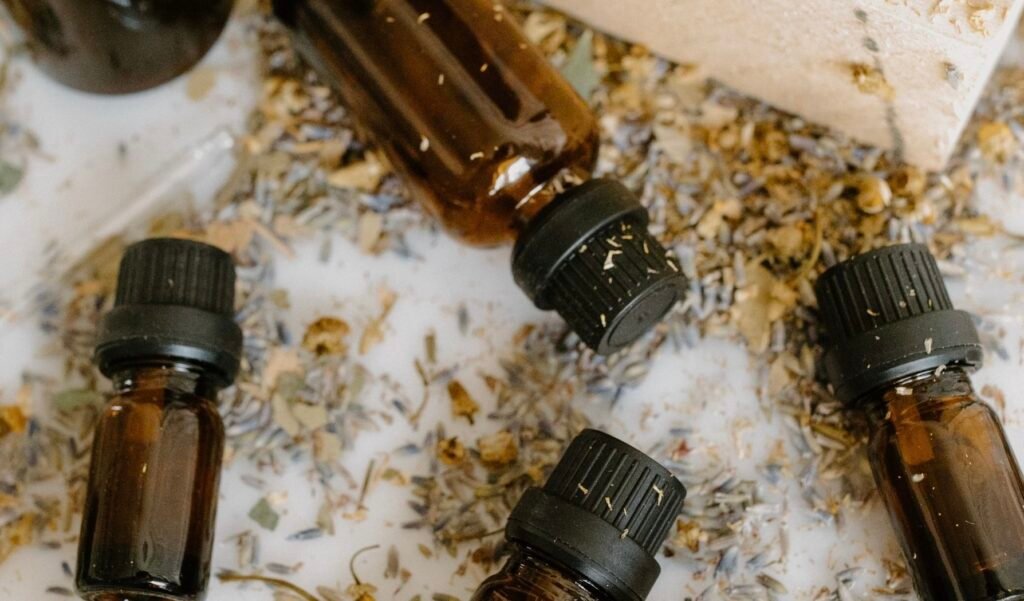
3. Squalane: The Sensitive Soul’s Choice
Squalane is the shelf-stable version of squalene, a natural component of our skin’s sebum. Because your body already knows what this is, the risk of irritation is almost zero.
The Science: It is a 100% saturated oil, meaning it doesn’t oxidize or go rancid easily, making it safer for reactive skin.
Best For: Extremely sensitive or “angry” skin barriers.

4. Marula Oil: The Antioxidant Powerhouse
Derived from the Marula fruit kernels, this oil is packed with Vitamin C and E. It’s a “thicker” oil that provides an immediate glow and protection against environmental stressors.
The Science: High in Oleic acid, which makes it incredibly occlusive—perfect for locking in serums.
Best For: Dry, dehydrated, or aging skin.

5. Sunflower Seed Oil: The Barrier Builder
Don’t let the “kitchen” name fool you. Pharmaceutical-grade sunflower oil is incredibly high in Vitamin E and essential fatty acids that literally “glue” your skin cells back together.
The Science: Studies have shown that sunflower oil can significantly improve skin hydration and maintain the integrity of the stratum corneum (the outermost layer of skin).
Best For: Eczema, redness, and severe dryness.
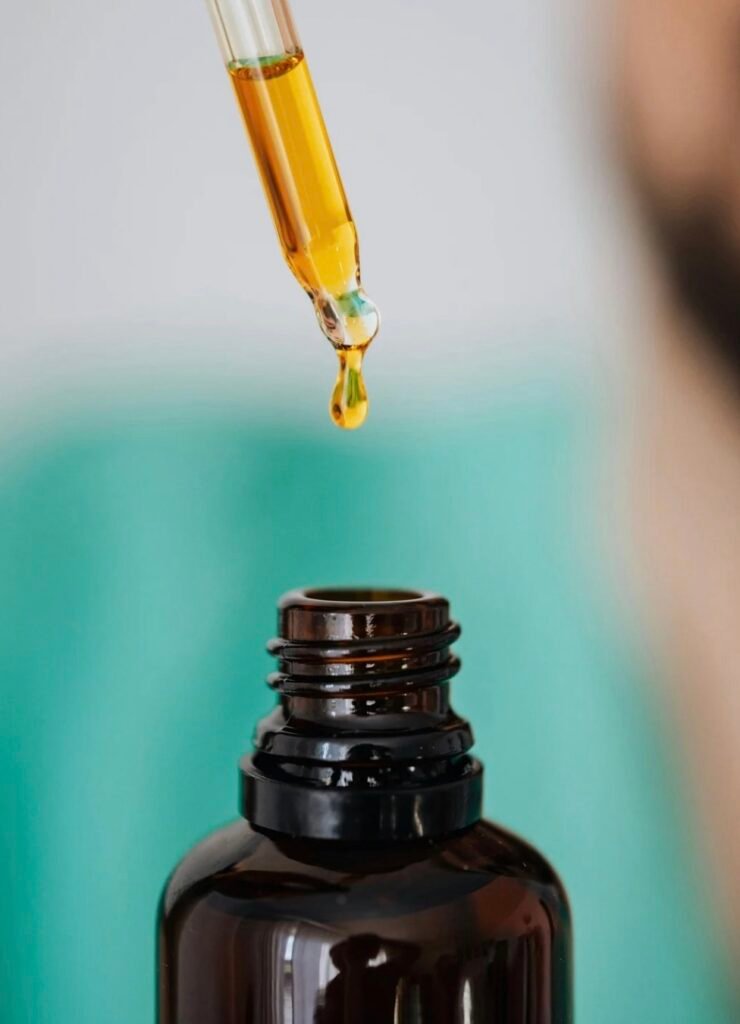
Pro-Tips for Maximum Results
To get the most out of your facial oils, follow these “Expert Rules“:
1. Damp Skin is Key: Always apply oil to slightly damp skin. This helps the oil trap that water into your skin for deeper hydration.
2. The “Sealant” Method: Apply your oil after your water-based moisturizer. Think of your moisturizer as the “water” and the oil as the “lid” that keeps it from evaporating.
3. Mix It Up: If you find oils too heavy, mix 2 drops into your nightly cream for a boosted “Barrier Repair” sleeping mask.
Final Verdict: Which one should you choose?
If you are just starting, Squalane is the safest bet for all skin types. If you want to fight aging while repairing your barrier, go for Rosehip.
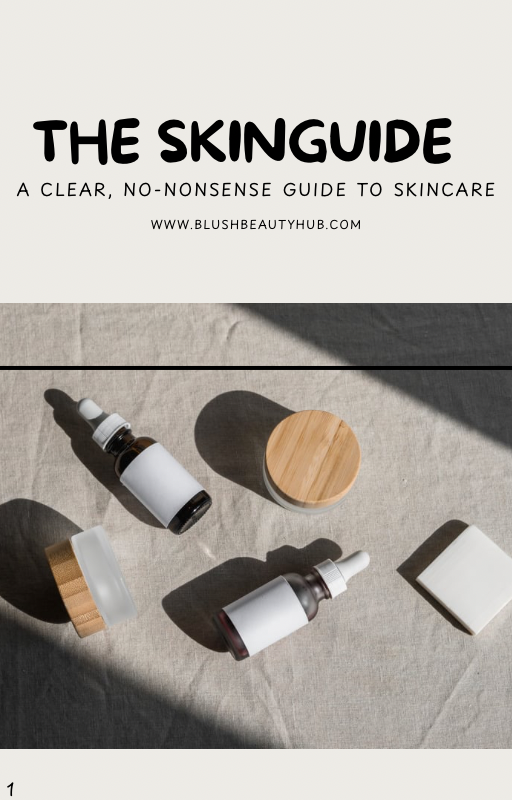
Ready to Master Your Glow?
Repairing your barrier is just the beginning. If you’re tired of “skincare overwhelm” and want a clear, science-backed roadmap to healthy skin, I have something for you.
Join the Blush Beauty Hub community and get my exclusive eBook for FREE:
The SkinGuide: Skincare Basics for a Lifetime Glow
Inside this free guide, you’ll discover:
• The exact order to apply your products (morning vs. night).
• How to identify your true skin type in 3 easy steps.
• The “Holy Grail” ingredients that actually work—and which ones to skip.